


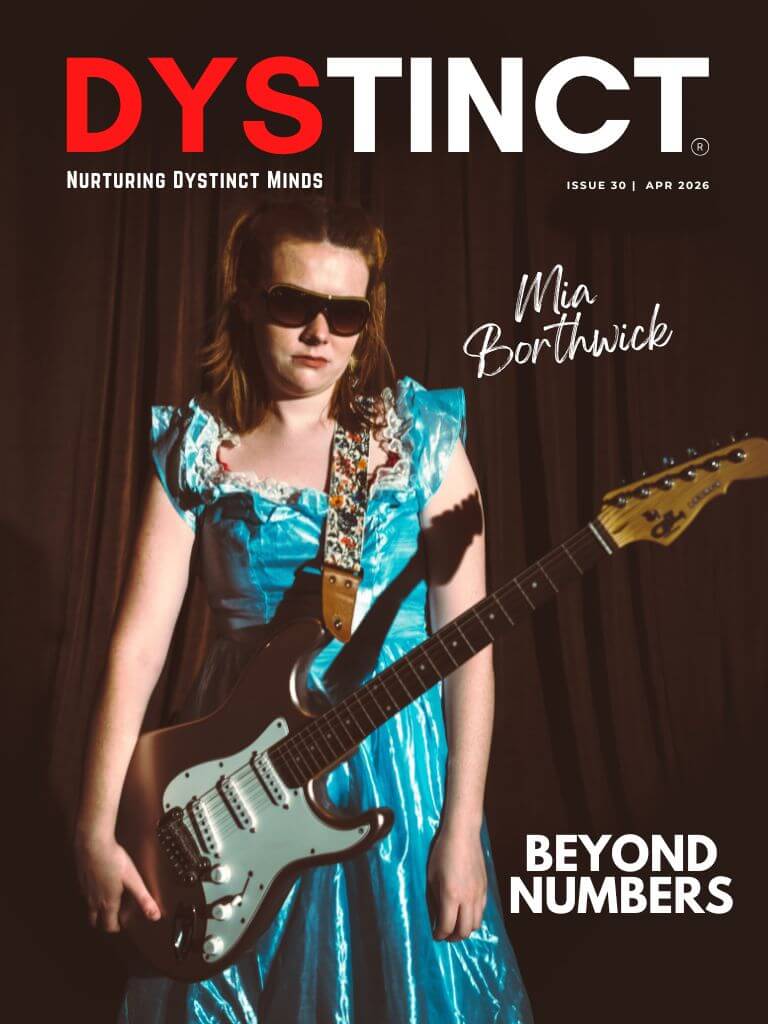
On the cover is Mia Borthwick.
Mia Borthwick shares her journey growing up with dyscalculia, highlighting the challenges, misunderstandings, and stigma she faced, and how discovering her strengths in the performing arts helped her build confidence, find her voice, and transform her experiences into creative advocacy.
On the cover is Mia Borthwick.
Mia Borthwick shares her journey growing up with dyscalculia, highlighting the challenges, misunderstandings, and stigma she faced, and how discovering her strengths in the performing arts helped her build confidence, find her voice, and transform her experiences into creative advocacy.
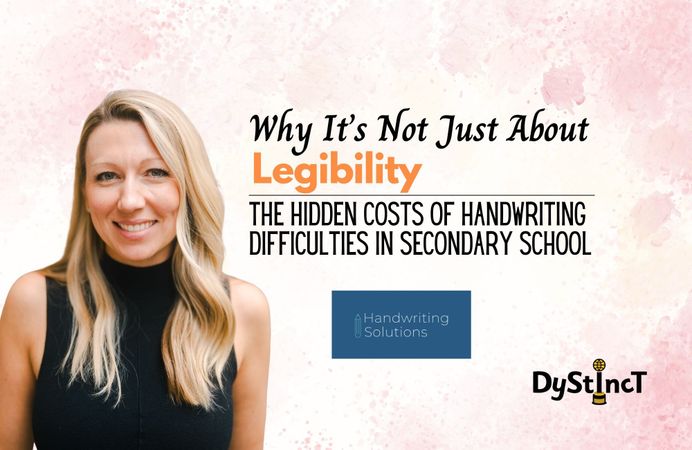
Kelli Fetter explains how handwriting difficulties in secondary school are not just about legibility but create a hidden cognitive bottleneck that impacts learning, highlighting the need for a balanced approach combining skill-building and targeted accommodations to support student success.
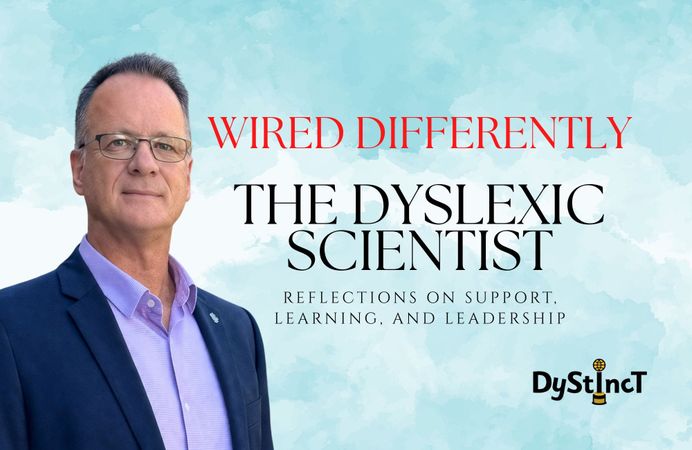
Dr Douglas B. Sims shares his story of growing up with dyslexia and how he went on to achieve success, proving that thinking differently can become your greatest strength.
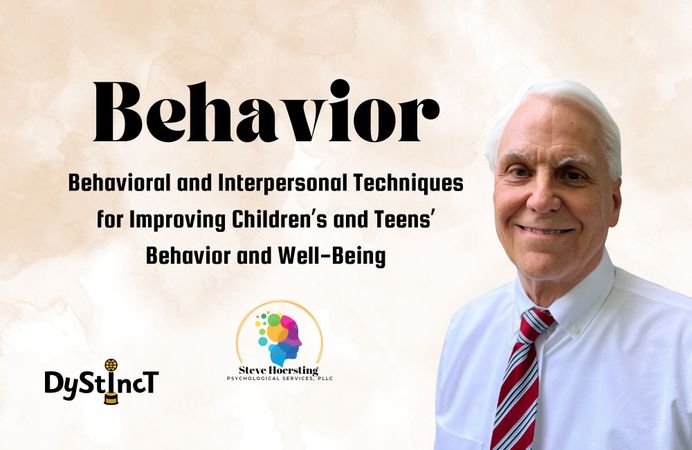
Steve Hoersting outlines how combining behavioural and interpersonal strategies supports children’s and teens’ development, emphasising the role of positive reinforcement, executive function support, and strong relationships in improving behaviour and emotional well-being.
Aden Hynes shares that being written off at school did not define his future; instead, it pushed him to find his strengths in creativity, leading him to build a successful sculpture business.
Adam Kleckner, a workforce strategist, explores how neurodivergent traits often labelled as deficits in school can become powerful career advantages when reframed through a strength-based “talent scout” mindset.
Mia Borthwick shares her journey growing up with dyscalculia, highlighting the challenges, misunderstandings, and stigma she faced, and how discovering her strengths in the performing arts helped her build confidence, find her voice, and transform her experiences into creative advocacy.
Georgie Cooney examines the UK’s new SEND White Paper, reflecting on her experience as a SENCO to highlight how early, evidence-based screening and practical support systems could transform identification, intervention, and outcomes for children with additional needs.
Alexie Better shares how her experience with undiagnosed dyslexia shaped her journey from struggling learner to founder of Better Multisensory Learning, a centre providing tailored, multisensory support that helps neurodiverse students build confidence, resilience, and academic success.
Dan Savage shares how growing up with dyslexia and ADHD left him feeling overlooked and limited, but through sport, support, and self-belief, he is now retraining as an Occupational Therapist, determined to use his journey to help others see their potential.


